
For a fan runtime RFQ, ask the supplier to connect every runtime statement to an exact sample and operating state. Record which functions were active, the selected settings, the starting condition and the stopping criterion. Compare records only when their scopes are clear. A catalogue range without those conditions cannot tell a buyer whether two offers describe the same use state or the same basis of measurement.
Link the runtime question to one catalogue item
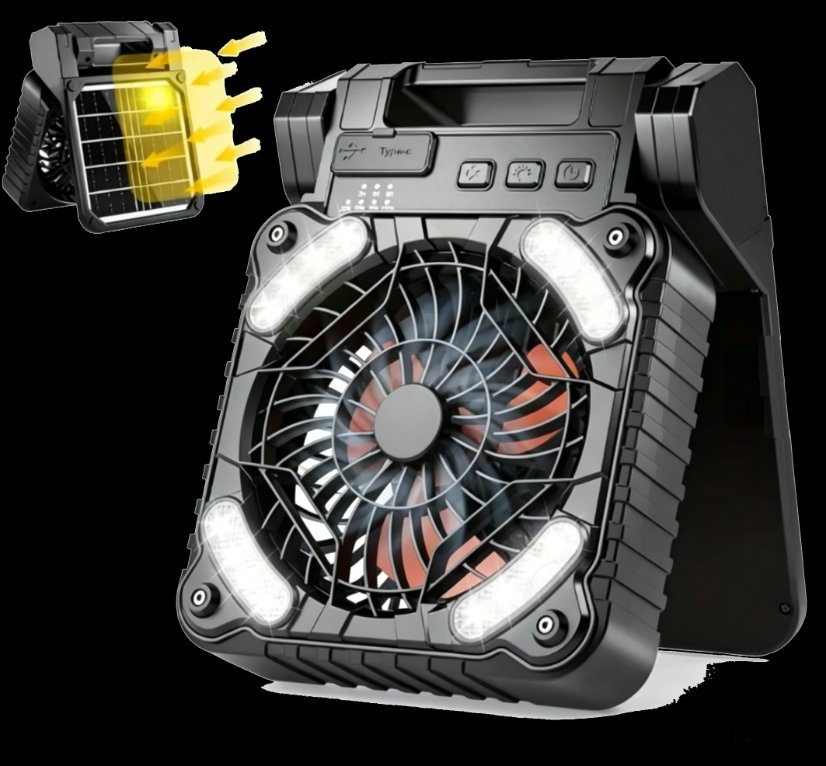
The official Model F-X99 page describes an outdoor fan and light reference, and its selected image presents a square fan with illustrated lighting elements and a carry handle. That makes it a useful item for an operating-state enquiry. The picture does not verify how long any function operates. Use the catalogue model to identify the discussion and ask the supplier which sample revision supports the proposed statement.
Create an evidence request ID beside the product reference and quotation option. If the supplier offers another battery arrangement or version, keep that offer separate. A shared product name does not establish that two samples use the same configuration. The runtime file should identify the sample behind the statement so the purchasing team can trace later explanations to the correct offered item.
Name the active functions instead of saying normal use
Ask the supplier to describe the operating state in plain language. A fan-only record and a record involving lighting or another separately confirmed function answer different questions. Where the product has selectable settings, ask how the setting was identified and whether it stayed unchanged during the recorded period. Avoid a generic term such as normal use when the buyer and supplier may interpret it differently.
Also ask whether the recorded item used an external power source during the observation. Keep that condition separate from a record intended to describe operation without external input. The buying team should not have to infer this from an illustrated cable or panel. If the supplier cannot identify the state behind an existing catalogue statement, retain that limitation and request a record scoped to the actual offer.
Record field | Clarification question | Why it matters
Sample identity | Which model revision and sample produced this record? | Links evidence to the offered item
Active functions | Was the fan alone operating, or were other functions active? | Defines what the observation covers
Selected state | How were settings recorded and kept identifiable? | Prevents unlike states being merged
External input | Was any external input connected during the observation? | Separates different operating arrangements
Start and stop | What defined the beginning and end of the record? | Makes the reported period interpretable
Request the start, stop and context of the record
Ask how the supplier defined the initial condition and the end point. The record should explain what was observed when the period ended rather than presenting an isolated duration. For example, a statement about a function stopping is different from a statement about an observer choosing to end a session. The supplier needs to identify its own criterion so the buyer can interpret the evidence correctly.
Request the relevant context and any interruptions or changes noted during the observation. These are requests for the supplier record, not instructions to improvise an electrical test or modify the item. Keep raw observations, calculated summaries and marketing descriptions distinguishable. If the supplier provides only a summary, record that scope openly instead of describing the underlying observations as reviewed when they were not supplied.
Build a comparison that retains unequal conditions
Place each offered sample and operating state on a separate row. Where two records have different functions or stopping criteria, label them as different scopes. Do not average them into a single performance promise or convert a range into an expected result for every setting. An honest comparison can show that information is not comparable yet; that is more useful than a precise-looking number with an unclear basis.
If the buyer has a particular intended use state, describe that state in the enquiry and ask whether the supplied record addresses it. The supplier may need to provide an additional explanation or another documented observation. Keep the request connected to the named model and offered configuration. Do not infer a guarantee, a certification result or a universal outdoor condition from a catalogue illustration.
• Name the exact sample and the offered configuration.
• Separate fan-only and combined-function records.
• Retain the supplier start and stopping criteria.
• Mark unlike or incomplete evidence scopes instead of forcing a ranking.
Record the accepted statement and its limits
When the supplier responds, retain the evidence request, the supplied documents and the final wording accepted for the quotation file. Distinguish a supplier declaration from an independently reviewed result. If supporting evidence remains unavailable, use that status in the comparison sheet. The product can still have an identifiable catalogue reference while a particular runtime question remains open.
For a revised offer, ask which elements of the previous record remain applicable and which have changed. Keep the earlier version so later reviewers can follow the decision. Send unresolved questions through the official contact channel with the item and evidence request IDs. The aim is to obtain a readable basis for procurement decisions, without inventing a runtime figure or treating supplier promotion as a verified performance commitment.
Frequently asked questions
Can runtime ranges from two product pages be compared directly?
Only when the relevant sample configurations and operating conditions are understood. Ask for the basis of each statement before using the ranges to rank offers.
Does an illuminated catalogue image prove combined fan-and-light runtime?
No. It shows the catalogue presentation. Request a record that names the active functions and identifies the sample and conditions behind the statement.
What if the supplier provides a statement without the underlying record?
Keep it labelled as a supplier statement and identify the missing evidence. Do not describe a test record as reviewed or convert the statement into an independently verified result.
Product and contact references
Catalogue reference: confirm matching item: https://xstoutdoor.com/product/model-f-x99/
Related catalogue reference: https://xstoutdoor.com/product/model-f-x88/
Contact XST Outdoor: https://xstoutdoor.com/contact/
XST Outdoor blog: https://xstoutdoor.com/blog/